




Blog / Trucks Grand Forks

Blog

All Trucks Grand Forks Local Tips Chevrolet Model Features GMC Model Features Rydell Chevrolet GMC Cadillac News North Dakota Chevy Dealer Fargo Used Cars
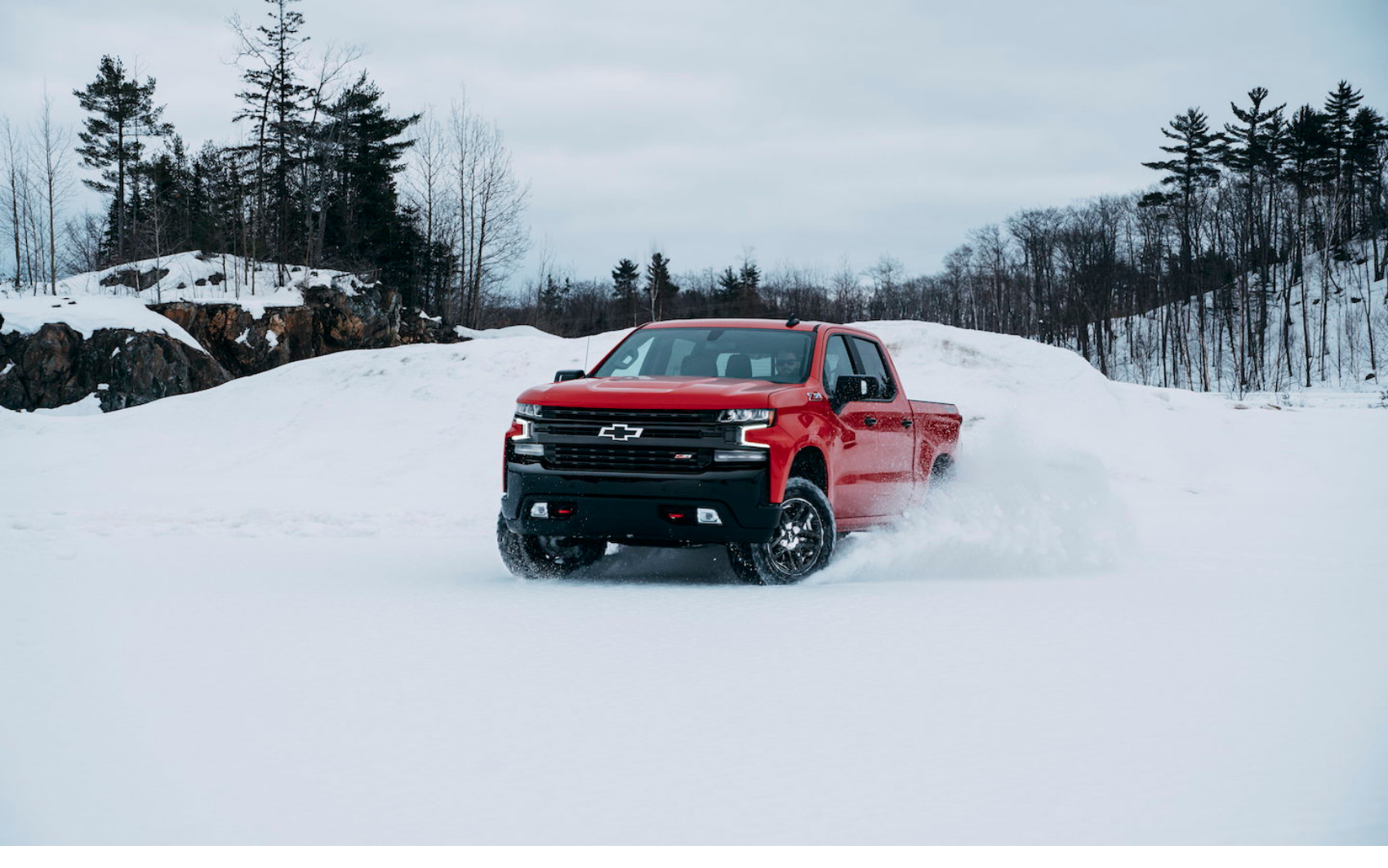
red chevy pickup in the winter

Winter Care Guide for Trucks and Cars

Vehicle maintenance is vital if you want to keep yours running smoothly throughout the year, but solid maintenance means different things during different seasons. With winter on the way, you'll need to take care of a list of tasks to ensure that your vehicle is in top condition for winter driving. more Keep an Eye on Tire Pressure and Condition It can be easy to overlook, but the condition of your tires says a lot about whether you can drive safely during the winter. If your tires' treads have been reduced considerably, it may be time to get new ones. Place a penny between your tire's treads with Lincoln's head top-down. If you can see the top of his head, it is time for tire replacement. If your tires bulge in odd areas or do not return to normal shape when your pressure gauge says they're full, replace them. Make sure you put the right amount of air into your tires. Too little pressure will make your vehicle lose traction, while too much can cause them to burst when moving over imperfections in the road. Many cars now have tire pressure monitoring systems that take the pressure of each tire into account. Make sure you pay attention to those alerts so you know which tires need work and which can be safely left alone. Check and Maintain Fluid Levels If you live or work in an area with frigid winters, seriously consider searching for fluid options that are cold resistant. Certain wiper fluids are helpful in cold climates, while others are sure to freeze. Maintaining sound antifreeze fluid levels is a must if you want to make sure your vehicle doesn't become too cold to start. Test your antifreeze levels at the beginning of the season and top them off if needed. The proper fluid type and filling level are listed in your owner's manual. In freezing climates, even engine oil begins to freeze. Many synthetic and semi-synthetic oils are far more resistant to cold than the average varieties. They'll cost a bit more, but they're worth the price if they'll keep your conveyance from becoming useless. If your oil seems frozen, do not attempt to start your engine repeatedly, as may be your first impulse. Starting it can do severe damage to your engine block, and repairing that will be far more costly than an oil change. Make Sure you are Prepared for Emergencies Some advice for all kinds of travelers, with or without vehicles, is to prepare supplies as though you expect to be stranded. None of us know what the future holds. You could be caught in a snowstorm, a snowdrift, a complete white-out, or in a position where driving is impossible due to heavy icing. When this kind of emergency comes about, having a well-stocked emergency supply kit in your vehicle can be the immediate or long-term difference between life and death. Your battery will only run your vehicle's heat for so long, so make sure you pack blankets, chemical heating pads like those commonly used by hunters, and fire-starting tools. It is also wise to include heavy winter clothing with good insulating properties like coats, gloves, hats, and mittens. Make sure you pack light sources for personal and emergency use, like flashlights, chemical road light sticks, and a flare gun. These items will alert others to your presence and need for aid and help you find your way should you have no choice but to move out on foot. Also, make sure you pack extra batteries for your flashlight and go with one that has a powerful beam. If the beam is too weak or runs out of power, it won't be helpful to you in winter conditions. Of all of the items in your emergency kit, a first aid kit is among the most important. You'll probably be tempted to go with the most affordable version, but these smaller kits often lack vital components like suture kits, epi-pens, heavier bandages, and coagulation sprays. Packing non-perishable food and drink that will last a day or two is also a wise choice. Make Sure your Vehicle is Debris-Free Leaves and twigs may seem inconsequential, but if they get stuck in your engine bay, they can cause water to collect, giving it a place to freeze in winter. This sort of freezing can damage your vehicle's exterior venting systems, hoses, and cables severely, making your vehicle unusable. Make sure you clear debris from your vehicle's exterior and engine bay whenever you notice any. That simple action could save you a stack of cash in the long run. Equip your Vehicle with Winter Tires Tires marked as all-season are standard on the vast majority of vehicles these days, off-road varieties aside. This name is misleading, as a tire that is a jack of all trades excels at nothing. Winter tires feature unique treads meant to maintain traction as much as possible in cold conditions, particularly with snow and ice present. It is far cheaper to get winter tires than replacing a vehicle that costs thousands or even tens of thousands of dollars when it is lost to a traction slip, so get your hands on them before winter comes. Get a Battery that is Rated for Winter Conditions All batteries are not created equal where winter operation is concerned. Most have more difficulty working properly during winter than in any other season, but some options are far more dependable than the standard versions. The absolute best type of battery for vehicle operation during winter is an absorbed gas mat battery. These batteries produce far more starting power standard flooded batteries so that the charge will cut through counter-factors more easily. In addition, these batteries use a mesh of absorbent glass and a fiberglass mat to do battery work in a solid rather than liquid state, so they aren't going to freeze on you like liquid batteries. All of these tips will help you find your way to driving safely and effectively during cold winter months. Keep each one in mind, and you'll be far better off than if you had maintained your car as you do in warmer months. If you know of other helpful winter vehicle tips, please contact us and let us know so we can add them to our list. We at Rydell Chevrolet want all drivers to hit the road as safely as possible.
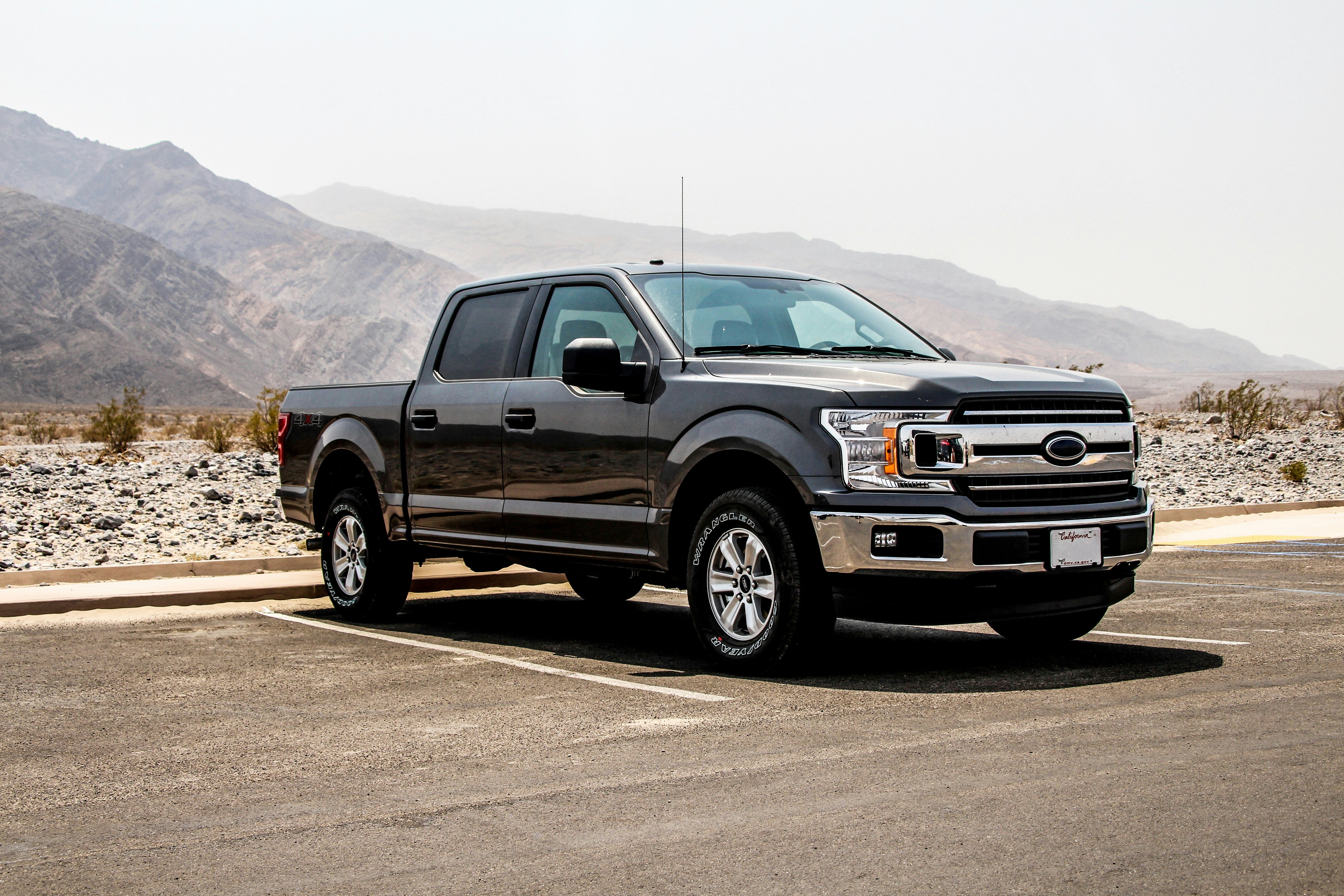
Black pick up truck parked in a lot

How many miles do pickup trucks last?

When shopping for a new or used vehicle, understanding the longevity capabilities of your different options is an important part of finding the right vehicle for you. If you think it might be the right choice for you to buy a new truck in Grand Forks, then it's important to know what that means for the life span of your next purchase. If you have questions about how many miles pickup trucks can last, the good news is that we've got answers, not just for what to expect, but how to maximize the life span of your truck if you buy one. more How Many Miles Do Pickup Trucks Last? While the exact mileage of any vehicle you purchase will vary based on a number of factors ranging from the model you choose, how you care for it, what you use it for, and more, that doesn't mean you can't have a good estimation of your expectations. While 100,000 miles was once considered a fantastic return on the vehicle, most modern trucks expect to hit this level when properly cared for. With a mixture of luck and care, you may even be able to reach 200,000 miles or more. How To Improve the Longevity of Your Pickup Truck If you currently own a truck, or are considering buying one, keep these tips in mind to maximize its life span: Choose a reliable vehicle: One of the most important factors in determining how long your pickup truck lasts is the quality it leaves the manufacturer with. Choosing a vehicle with a proven track record of long-lasting capability, like the Chevrolet Silverado or GMC Sierra, the next time you shop for a used truck in Grand Forks allows you to buy with the confidence of knowing you have a truck that is built to hit six figures on the odometer while showing no signs of stopping. Listen to your truck: Another key component of extending your truck's life is to make sure you are addressing any issues quickly. This means learning what to watch for, including not only warning lights on your dashboard but also changes to normal operations, like strange noises or sensations behind the wheel. These can be indications of a potential problem for your truck that requires prompt servicing to avoid future damage. Monitor your levels: Your truck's fluids are crucial elements for protecting it and keeping it working the way it is supposed to. Performing regular checks of your fluid levels underneath the hood, and filling your reservoirs up if needed, ensures that your vehicle has the fluids it needs to operate correctly and protect it against further damage in order to extend its life. Complete your scheduled maintenance: No matter how well you treat your truck, and even if you don't notice any apparent warning signs, it's still important to get your scheduled maintenance as intended when you hit key mileage milestones. This allows the service professional to examine your vehicle and identify any potential areas for concern in order to keep your truck working efficiently and reduce wear and tear. Trust in professional care: There's no better way to extend your truck's life than to schedule a service appointment with a reliable truck service center when you need repairs or maintenance. Professional care ensures your truck is treated right, and it helps you to get the maximum life span out of it. Rydell Chevrolet GMC Is Grand Forks Best Pickup Truck Service Center If you have a truck in or near Grand Forks that needs servicing, let Rydell Chevrolet GMC help. Whether you have a warning light that is turned on, are noticing strange behaviors when you drive, or are simply due for routine maintenance, trusting your vehicle to our professional staff is the best way to keep it operating at its best. Benefits of choosing Rydell Chevrolet GMC for your truck servicing include: Experienced professionals: The team at Rydell Chevrolet GMC automotive service center is the best in the business. If you need servicing for your pickup truck in or around Grand Forks, look no further than the expert staff at Rydell Chevrolet GMC. Our experienced professionals will examine your vehicle, identify any causes for concern, and provide you with the high-quality care that keeps our customers coming back to us whenever they need routine maintenance or repair work done on their trucks. Premium auto parts: The work an auto professional can perform on a car is only as good as the tools and parts available for them to do it. That's why at Rydell Chevrolet GMC we believe in using high-quality OEM parts on all of our repairs and replacement jobs. When you bring your vehicle in to our service center, you can do so confidently, knowing that you are getting not just the best service but also the best parts installed as well, so the work you get done provides you with long-lasting improved performance and safety. Fantastic prices: While we take immense pride in being the best automotive service providers in Grand Forks, that doesn't mean we charge you like it. By choosing Rydell Chevrolet GMC for your truck servicing, you receive our fantastic truck care, all at prices that our competition cannot match. It's the best of both worlds when you choose our service professionals for your truck's needs. Dealership specials: Getting our great rates for unbeatable service is a fantastic opportunity, but doing so with a dealership special is even better. We offer specialties on a variety of our automotive service offerings, and your truck's next appointment may just be covered under a special at the time, so don't be afraid to ask. With our special rates and offers, the premium service at Rydell Chevrolet GMC only gets better. Find Your Next Truck and Keep It Running Well at Rydell Chevrolet GMC At Rydell Chevrolet GMC, we love providing our customers with outstanding vehicles that are designed to last. If you have questions about finding a long-lasting truck near Grand Forks, you can call us or contact us online and we will be happy to answer them. Better yet, come out to see us in person and try out our amazing truck options for yourself.

How long do trucks last?

Whether you're looking to purchase a new truck or shopping for used trucks in Grand Forks, it's important to know how long the average truck lasts. This enables you to estimate the value that your truck purchase can provide to you in order to make a more informed decision and get a truck that's worth its price tag. This guide has everything you need to know about the longevity of modern trucks. more Trucks Have More Longevity Today Image via Flickr by Crown Star Images via CC BY 2.0 Many factors can determine the lifetime of a truck, including the make and model, the release year, how its previous owner used it, and how well it was maintained. The good news when shopping for a new or used truck, however, is that modern trucks are built with significantly more longevity than trucks in the past. This means that when you purchase a modern truck, you can expect it to last for at least 10 years and 100,000 miles. With proper maintenance, you can extend those marks significantly, with the average truck being nearly twice as likely to last for 200,000 miles as the average vehicle. How to Extend Your Truck's Life If you're purchasing a new or used truck, it's beneficial to know how to take care of your truck to make it last as long as possible. Extending the lifespan of your track is the most effective way to save money, as it means you can avoid the need to purchase a replacement too quickly. Follow these steps to help your truck last as long as possible. Buy a truck that's built to last: The make and model you choose to purchase plays a significant role in the longevity of your vehicle. According to a survey by ISeeCars.com,The Chevrolet Silverado boasts the highest percentage of trucks lasting over 200,000 miles from any American manufacturer. The GMC Sierra also posts strong numbers, as the third-most-consistent American truck. Treat it with care: Just because your truck is built to manage a hard day of work doesn't mean you have to make it any harder than is necessary. By driving with care and avoiding unnecessary bumps and hazards, you reduce the wear and tear on your truck and extend its life. Check your levels regularly: Maintaining the fluid levels in your truck is an easy way to help protect it against damage. Ensuring that your truck has the necessary fluids, such as oil and coolant, enables it to operate at its best and minimizes damage from operation. Stick to scheduled maintenance: Routine care, such as oil changes and checkups, is an essential part of truck maintenance. When a service professional provides one of these services to you, they will also let you know how many miles until you should take it in again. Maintaining a truck, or seeking servicing earlier if you put your truck through particularly strenuous work, can help keep it in better condition. Pay attention to warning signs: As you drive your truck, you'll come to know what to expect from it and recognize when it's behaving differently than you would otherwise expect. Just like you should take it in for professional servicing when warning lights come on, you should visit a service professional if you notice any strange sights, smells, or behaviors behind the wheel. Trust professional service: Seeking professional truck maintenance from certified service professionals is the best way to ensure that all repairs are completed correctly. By taking your truck to a service center you can trust, you ensure that you'll receive the correct work and that service professionals will identify any potential small problems before they become big ones. Use premium parts: Another area where spending a little more now can save you a lot in the future is in the parts you use in your vehicle. Premium parts provide better performance and tend to have longer lifespans. How to Assess The Remaining Lifespan of a Used Truck Before purchasing a used truck, it's valuable to estimate how many more miles you think you can drive it. Use these steps to determine how many miles it has been driven already and how many more you can expect: Check the odometer: The most basic consideration when assessing a vehicle's lifespan is its current odometer, as this lets you know how many miles it has already been driven to compare your lifespan expectations against. Consider the make and model: Different trucks have different longevity, so it's important to consider if you are choosing a vehicle such as a Chevrolet Silverado with a reputation as a long-lasting vehicle or another option with a shorter lifespan. Ask the dealer for information: The staff at Rydell Chevrolet GMC are here to help you in your truck search and will happily provide you with any information we have about a truck you're interested in so you can make a more informed estimation on the wear and tear it has experienced. Inspect the vehicle: A visual inspection is a basic way to check a potential purchase for any indications of hard use or warning signs. A vehicle that looks pristine to you, on the other hand, likely represents a vehicle that was internally maintained as well. Check the truck's history: Requesting a formal vehicle history on a truck you consider enables you to learn if it has been in any accidents or received any servicing that might affect your estimation for the longevity of the truck. Take a test drive: There is no substitute for seeing how it feels to drive a vehicle when assessing its condition. By taking a test drive, you can note how smoothly it rides in order to determine if it appears to be in good condition. If you are ready to shop for a truck in Grand Forks today, the staff at Rydell Chevrolet GMC can't wait to meet you. Our team will work with you to find a vehicle that fits your budget and that has many years and miles of fantastic work left to do. If you have any questions, fill out our online contact form, call us, or come see us in person. We're excited to meet you!

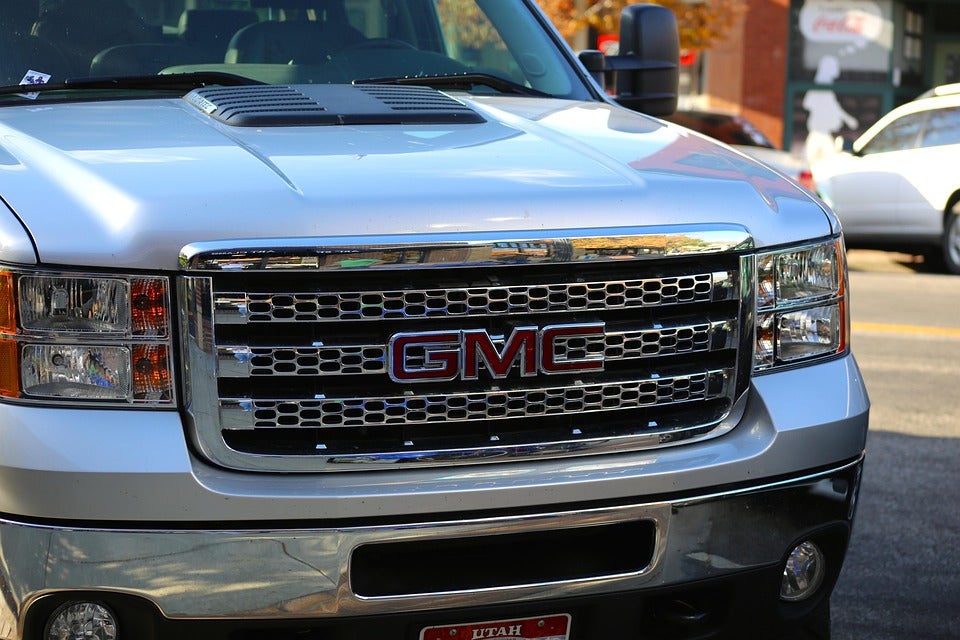
GMC logo on the front grill of a silver truck

What's difference between GMC and Chevy?

If you're in the market for a new truck, you have a lot of options to choose from. Two of the most popular manufacturers are GMC and Chevrolet. Both manufacturers offer quality trucks but have some key differences. However, at first glance, it may seem like there isn't much difference between the two. Below, we'll outline some of the differences and similarities between GMC and Chevrolet trucks to help you with your purchasing decision. more The Basics There's a reason that GMC and Chevrolet trucks seem so similar, and that's because they are both under the same parent umbrella - General Motors. The brands started as separate entities but eventually combined into one. Chevrolet merged with General Motors back in 1918, and then in 1943, General Motors completed the purchase of GMC. Over the years, General Motors has owned many different vehicle brands, but Chevrolet, GMC, and Cadillac remain. Up until recently, GMC and Chevrolet offered very similar vehicles. However, in 2019 Chevrolet launched its Silverado truck, and GMC released its Sierra truck. This was the first time that the two brands created something so different from one another, and that trend has continued on to today. The Similarities Let's start by discussing the similarities between the Chevrolet Silverado and the GMC Sierra trucks. The biggest similarity is that both brands use the same GMT1000 platform. A vehicle's platform is essentially the critical dimension. These include the front axle centerline, the cowl, and the driver's hip-point. Since it takes a lot of work to engineer a new platform, many manufacturers share platforms among different vehicle brands. The Chevy Silverado and GMC Sierra are just one example. In addition to the same platform, GMC trucks and Chevy trucks also have the same drivetrain. This means they essentially function the same way when it comes to powering the vehicle. However, even within the drivetrain system, there are some differences between the trucks. After this, the similarities are roughly the same similarities you'd see between any other two cars. For example, they both have some of the more modern entertainment and safety features; however, you'll also find these in other trucks, not just those from GMC and Chevrolet. This is essentially where the similarities end. The Differences Now, onto the differences between the two brands. The biggest difference between GMC and Chevrolet trucks is who they are designed for. Generally speaking, GMC trucks are more for luxury users, while Chevrolet trucks are more for the average truck buyer. By aiming for two different markets, General Motors can reach more people without having their trucks compete against one another. It's this differentiation that produces many of the other differences you'll find between these trucks. For example, in the GMC Sierra, you can get a 6.2L V-8 engine perfect for offroading, while the similar Silverado Chevrolet comes with a 5.3L V-8 engine. Therefore, if you want a more powerful engine for offroading, you'd likely go with the GMC Sierra. In addition, on a truck like the GMC Denali, you'll find magnetic ride control dampers as a standard feature, while this is only an optional upgrade for the Chevrolet High Country. Some features are also unique to their specific brand. For instance, the GMC Sierra offers the carbon fiber CarbonPro pickup box, which isn't available in Chevrolet models. In addition, GMC offers the Multi-Pro tailgate while Chevrolet offers the MultiFlex tailgate. Both perform similar functions but are different features nonetheless. Therefore, if you prefer one type of tailgate over the other, you'd have to go with that brand. How To Decide Between GMC and Chevrolet Trucks To decide between a GMC or Chevrolet truck it really comes down to your personal preferences. Since both manufacturers offer quality truck options, you'll need to think about what you are specifically looking for in a truck. If you're looking for a more luxury-like truck, then you'll probably want to consider something from the GMC lineup. These trucks tend to have more features available and offer a more enjoyable ride. However, these additional features also come with a higher price tag. You, therefore, need to decide how much these extra features are worth to you. If you want something a little more affordable, then you should take a look at the Chevrolet lineup of trucks. These trucks still have plenty of features but are designed more for the average truck owner. For this reason, even the more luxurious trims on the Chevrolet trucks are often around the same price as the lower-end trims of the GMC lineup. Let Rydell Chevrolet GMC Help Still not sure which truck brand is right for you? Not to worry. We here at Rydell Chevrolet GMC of Grand Forks, ND, can help you find the perfect truck for your needs. We have all the latest GMC and Chevrolet trucks available, along with some older models. All you need to do is tell us what you're looking for in a truck, and we can help you find one that fits your needs and your budget. There are a few ways to get started. First, if you want, you can begin browsing our current inventory online and see what trucks we have available. You can use this online listing to start getting an idea as to what truck you might like. Then, whether you find some options or not, you can contact us today to schedule a visit to our dealership. Once you come in, we'll show you any truck you're interested in and take you out for a test drive. Sometimes seeing a truck in person is the best way to tell if it's right for you. So, whether you know exactly which truck you want, or you're still trying to decide between a GMC truck or a Chevrolet truck, let Rydell Chevrolet GMC of Grand Forks, ND assist you. There's a lot to love about each of these brands, but it's still important to ensure you get a truck that's the perfect fit for your needs.

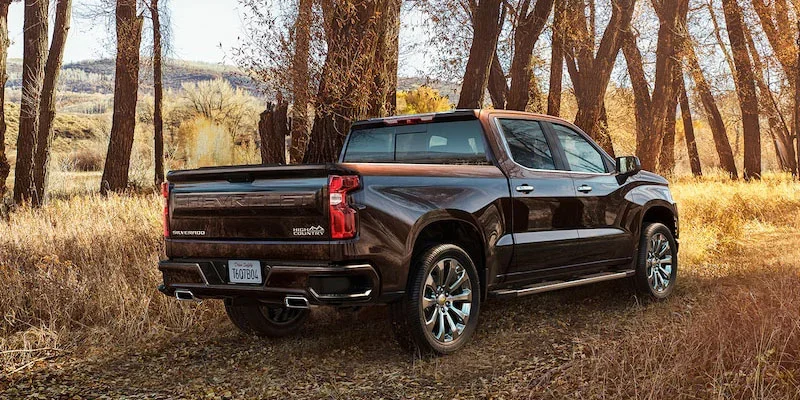
The back of a Black Chevrolet Silverado 1500 on a forest road

Crew Cab vs. Extended Cab

Truck manufacturers use various names to describe their cabin configurations, sizes, and styles. This disparity in uniform terminology leads to confusion when discussing competing trucks. You'll hear terms like Super Cab, Super Crew, Crew Max, Quad Cab, Double Cab, and even Mega Cab used to describe truck cabs. Regardless of the name, only four types of cabs exist: regular cab, extended cab, crew cab, and extended crew cab. To answer the question of which cab you should choose when you buy a new truck, you should know the differences between them. To help you get started, here's an overview of the differences between a crew cab and extended cab trucks. more What is a Regular Cab For decades, trucks were built with only a regular cab. They didn't even call them regular cabs because there weren't any other types of cabs to distinguish between. Today, regular cabs have a single front row of seating, either a bench that seats three or two bucket seats to fit two people. The bucket seat configuration usually comes with a center console/armrest with storage inside. You won't find a back seat in a regular cab. You might not even see much more than a few inches of space behind the front seat. Modern regular cab trucks use the space saved inside for a longer bed. Extended Cab An extended cab comes in various styles depending on the manufacturer. This category often causes confusion because truck manufacturers seldom use this exact term. GMC and Chevrolet call them Double Cabs, while Ford uses the term SuperCabs, and Dodge calls them Quad Cabs. Toyota makes it even more confusing by calling the Tacoma trucks with this style an Access Cab, while the Tundra lineup uses the term Double Cab. Nissan likes to use the term King Cab to describe its extended cabs. Some extended cab trucks have two doors, some have three, and some have four. Usually, extended cabs have two rows of seats, but even this can vary. Some rear seats fold down like jump seats, but a bench seat occupies the space more often. In almost every case, you have less passenger space in the rear of an extended cab, particularly in terms of leg room. Extended cabs with two doors offer the least amount of rear passenger space. Those with four doors typically come with shorter, rear-hinged back doors like suicide doors. Even the windows shrink in size, with some of them only propping open rather than rolling down. Doors with rear hinges offer the easiest access to the back seat, whether you store gear or carry people. If you don't need to take the work crew with you every day but do tote around some tools, this configuration can work well. You can seat up to six passengers with a front bench seat and five with front bucket seats. The rear passengers may not be comfortable, but you'll get them where you need to go. Crew Cab A crew cab comes with four full-sized doors. Nissan, Ram, GMC, and Chevrolet use the term Crew Cab when describing trucks that feature four full-sized doors. Ford likes the name SuperCrew, and Toyota continues to confuse, calling the Tundra four-door trucks CrewMax and Tacoma four-door trucks a Double Cab. The doors of a crew cab truck open normally, like those of passenger cars, and the rear seat almost always features a bench style. With a bench front seat, you can fit up to six passengers in a crew cab. This larger cab offers truck owners the flexibility to carry a work crew to the job site, pick up the kids from school, and run players to soccer practice. And you can do it all with a bed full of lumber for your home improvement project or your next contracting install. While you can carry up to six passengers, those in the middle seat in either row will find the fit rather snug. Most manufacturers offer a single design standard with upgrades available as an option or on specific trims. Space varies with crew cabs based on factors like dashboard configuration, center console options, and other accessories. On the whole, you can expect more space for front and rear passengers in terms of leg, hip, and shoulder room. And because a crew cab has four full-sized doors, the rear windows are also full-sized and will roll down. Extended Crew Cab As the name implies, an extended crew cab offers even more space than a regular crew cab. Some manufacturers even create additional storage space behind the second-row seats. Manufacturers have started adding storage compartments into the rear seat-backs and beneath the rear bench with clever seats that fold down or up. Extended crew cabs have the most interior cabin space of any truck. You can usually identify an extended cab simply by looking at the extra length of the cab behind the rear doors. Cab Size vs. Towing and Payload The advent of the larger cab has the unfortunate impact of reduced towing capacity and payload. You often hear about platforms that manufacturers use to build their trucks on. These platforms come with a fixed dimensional capacity, meaning they are only so long and so wide. If a manufacturer adds three feet to the length of the cabin, three feet usually get subtracted from the bed. A smaller bed can hold only so much, so the payload capacity gets reduced. The same principle extends to towing, but for a slightly different reason. Adding length to the cabin adds more weight in the frame, body, and interior seating. Because the powertrain can only carry so much, the added weight to the cabin must be subtracted from the towing capacity. In most cases, this trade-off has a negligible impact on capacities, but if you're towing and hauling for a living, you should scrutinize this exchange. Contact Rydell Chevrolet in Grand Forks At Rydell Chevrolet GMC, we know every truck has a purpose. That's why we stock an expansive inventory of Chevy Silverado, GMC Colorado, and GMC Sierra trucks. We offer multiple cab configurations for every lineup and invite you to browse our inventory online. You can stop in anytime to see firsthand the differences in cab styles or reach out online to ask questions or start the buying process. One of our friendly, professional salespeople will happily show you the best features on our trucks to help you make the right decision for you.

Lifted light blue vintage Chevy truck

How to Lift a Truck and Why You Might Want To

When you buy a new truck, you'll likely find that the rear end sits a little higher than the front. Manufacturers design trucks this way so that they are level when you load up the rear. As the heavy materials go in the back, the truck levels off. However, some people do not prefer this. If you're one of them, the solution to this problem is to lift your truck. Lifting your truck is physically altering the car, raising one end or the other to the desired height. There are a number of ways you can lift a truck, depending on your budget or how you want to impact truck handling. Below is everything you need to know about why you might want to lift your truck along with how to go about it. more How to Lift a Truck Image via Pexels by JJ Whitley To lift your truck, follow these easy steps. First, decide on a method for lifting your truck. Research your model truck and the best ways to lift it. Also, consider what you are trying to achieve with the lift and your available budget. With enough research, you should be able to decide on the method that is best for your car. If you're unsure, it's best to talk to a professional. For example, the service center at Rydell Chevrolet can answer any questions you may have about raising your Chevrolet truck and the best way to go about it. Expert mechanics perform lifts on trucks all the time and therefore know what to recommend for your specific situation. Another reason to talk to a professional mechanic is you'll likely want them to perform the work as well. Lifting a truck requires equipment and parts, something you may not have at your disposal. It's also essential that the person performing the work does it well, as you don't want your truck to break down as you're driving. Of course, if you have some experience with working on trucks, you may be able to do it yourself. To lift a truck, you'll need tools such as a vehicle jack, a socket wrench, a torque wrench, and a lug wrench. You'll also need a safe space to work, such as a garage or flat driveway. You'll then want to follow the instructions provided by the lift kit you purchased or follow some directions online. Again, you should only attempt this if you have a good deal of experience working on vehicles. Reasons to Lift The biggest reason to lift your truck is to alter the appearance. If you do not regularly load the rear section with cargo, you may want to level off the appearance of your truck. Another possible reason is if you want to install larger tires on your truck. To fit larger tires you need more space, which is what lifting provides. Finally, if you drive off-road a lot, you may wish to give yourself more clearance on the bottom of your vehicle so that you don't scrape anything. Types of Lifts Once you decide you want to lift your truck, you then need to think about how you'll go about lifting it. There are several options available to you. For example, you could use a body lift, in which you place a space between the frame and body mounts. The benefit of a body list is that it allows you to install larger engines and transmissions, along with larger tires. Another option is a spacer lift, which lifts a truck about an inch or two. A spacer goes between the suspension and the mounting location of the suspension. These are a relatively affordable option if you only want to lift your truck a small amount. For an easy way to lift your truck, consider using a torsion bar. You can only lift a truck a small amount with torsion bars but they are easy to adjust should you want to change anything in the future. Use coil springs to lift your vehicle if you worry about the spring rate and have a specific height in mind. However, lifting your vehicle with springs can also impact the quality of your ride and how long the suspension lasts. You may also want to research replacing coil springs on your specific type of vehicle, as it is more difficult on some vehicles than others. Finally, if you want to raise your truck more than two inches, consider going with an independent suspension system. When going with this option, keep in mind that it can cause more wear on the boots and joints, so you'll need to lower the front differential. Other Considerations Finally, before you start the process of lifting your truck, there are a few other things to consider. For example, if you raise your truck more than two inches, you'll likely need to replace your shocks as well. Without doing this, your truck could bottom out when you drive over a dip. In addition, changing the angle of a vehicle might impact the direction of your headlights. You may need to adjust these or install new lights so that they are pointing in the correct direction once again. Finally, make sure you have a compatible brake system with anything new you install. For instance, larger tires put more strain on a braking system. So, if you lift your truck and add in larger tires, you'll also want to look into upgrading your braking system. There is a lot to consider beyond just the height of your truck when lifting it. Be sure you consider all the factors involved before you make any changes to your truck so that there are no surprises along the way. Contact Rydell Chevrolet for Help To make this process much simpler, contact Rydell Chevrolet. We can not only lift your truck for you but we know all the extra considerations that go into it. We'll walk you through the whole process, give you an estimate for the work, then take care of it for you. To learn more, or to schedule an appointment, contact our dealership today.

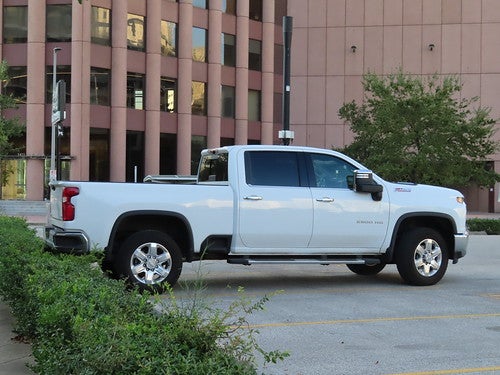
White Chevy Silverado 1500 side view while parked in city parking lot

Crew Cab vs. Quad Cab

You love trucks. You love the way they look, the way they drive, and the utility you get from them. Whether you're looking to buy your first truck or you're trading in for the newest model, you want to make sure you get the perfect one. One of the main decisions is what cab size you want. Should you go with a crew cab or a quad cab? You might not know the difference, and you wouldn't be alone. Both have four doors and a full back seat, so really they're the same, right? Well, sort of. While they are similar, there are pros and cons to both. Here's a rundown of the features of each to help you make an informed decision. more What Are My Cab Options? Image via Flickr by JLaw45 Choosing anything in life is about assessing your options and then deciding based on a predetermined set of criteria. So you should have all the information regarding cabs before you can decide. Cab names vary by manufacturer. They might use the name crew cab, super crew, standard crew, or quad crew differently. The first crew cab was introduced by International Harvester in 1957. Dodge began producing them in 1963, and over the next 10 years, Ford and Chevrolet entered the truck market. Regular Cab Since the inception of the truck, they've been built with a regular cab. In fact, that was the only option for decades. A regular cab features two doors and one bench seat, although variations with a center console have popped up in the last 30-40 years. Crew Cab Today, a crew cab is defined by having four doors and two rows of seating. They usually have two bench seats in the front and rear, but bucket seats in the front are an option that varies by manufacturer, and you might have the choice between bench or bucket. A crew cab will also have larger doors in the rear. Typically, they open in the same direction as the front doors like cars and SUVs. They also have much more space in the rear for passengers. While you can ride more comfortably in the back seat of a crew cab, the cargo volume is typically smaller. Quad Cab A quad cab shares the same features but to different degrees. Two bench seats in the front and the rear allow for the same number of passengers. You still have options for front bucket seats but the cargo volume in the rear is usually larger. The sacrifice comes primarily in passenger legroom. To create the cargo space, manufacturers tighten up the space for passengers. The doors are usually smaller, too, and in many cases open in the opposite direction as the front doors. Which Can Tow and Haul More? This is a good question, especially if you work your truck. Your tow capacity is reduced with the more spacious crew cab. The crew cab is larger and therefore is made with more material, which adds weight. The quad cab is smaller and weighs less so the towing capacity is greater. The powertrain has a maximum gross vehicle weight rating that it can move. If your cab weighs less, then your powertrain can haul that much more. A regular cab can haul the most because it has the least amount of weight allocated to the cab. Will the Cab Size Affect My Bed Size and Maximum Cargo Capacity? These days the bed size on your truck is optional. Many manufacturers offer multiple bed sizes for any cab. You'll find 4-, 5-, and 6-foot bed sizes for just about any truck cab. As for cargo capacity, while you might think a larger bed can carry more, you're only partly right. You can fit more in but your powertrain can only move so much. A larger bed will weigh more and therefore lower the gross vehicle weight rating. A smaller bed will have the opposite effect. Which Costs More To Purchase? Costs can vary for multiple reasons. Options like wheels, engines, and technology can make it difficult to ascertain exactly how much one costs versus the other, as well as an individual manufacturer's truck configuration options. In general, you should pay less for a quad cab than you would for a crew cab simply because there is less material used in the construction if you are comparing all the same features. Should I Choose a Crew Cab or a Quad Cab Truck? Why Choose a Crew Cab? The term crew cab began because people needed to transport their crew to the job site. If you need to bring three or more people along with you then the crew cab is roomier and more comfortable for everyone. Additionally, there are usually more comfort features for second-row passengers. Another reason to choose the crew cab is if you don't carry a lot of cargo regularly. If you only occasionally need to transport people you could opt for the crew cab and simply use the rear seat as cargo space. Why Choose a Quad Cab? If your commute is a long one or you find yourself driving long distances often, then a quad cab makes sense. It's lighter and therefore more efficient, so you'll save at the pump. If you need plenty of cargo space rather than passenger room then the quad cab is the choice for you. While they both can carry the same number of passengers, the quad cab passenger space is smaller. Compare Crew Cabs and Quad Cabs for Yourself in Grand Forks If you'd like to see for yourself the features and benefits of the different cabs you should come visit Rydell Chevrolet GMC today. One of our friendly, professional staff members will be happy to take you through our extensive inventory of trucks and answer any questions you might have. Or you can visit us online and browse the many features available on any of our trucks and get your new truck delivered to your door.

Contact Us

Fill out this form below and we'll contact you shortly
*Required Fields